

















Jonny, a regular kid, transformed into an exceptional student under the Center for Inspired Learning’s care. Here’s why he’s smart:
Jonny’s growth showcases the effectiveness of personalized, project-based education.
At the Center for Inspired Learning, we understand that the current standardized public education system is failing many of our children. The emotional toll it takes on students, teachers, and families is significant and undeniable. Here are some of the critical pain points that illustrate why change is urgently needed:
One of the most glaring indicators of the inefficiency of the Whole Classroom Instructional Model (WCIM) is persistently low test scores across many public schools. Despite numerous reform efforts, standardized test scores remain a troubling issue:
These statistics highlight a system that struggles to meet basic educational standards, leaving many students underprepared for college and careers.
The mental health crisis among youth is another stark consequence of the current educational model. The pressure to conform to a one-size-fits-all approach can lead to significant stress and anxiety:
This mental health burden not only affects students’ academic performance but also their overall well-being and future prospects.
Beyond academic performance, the current education system often fails to equip students with essential life skills needed to thrive in the real world:
These deficiencies can leave students unprepared for the complexities of adult life and the modern workforce.
The emotional reasons for embracing a learner-centered approach go beyond these statistics. It’s about acknowledging and addressing the individual needs of each child, fostering an environment where they can thrive both academically and personally. By shifting to a model that values personalized learning, we can:
At the Center for Inspired Learning, we believe that every child deserves an education that respects their unique potential and prepares them for a successful, fulfilling life. Join us in advocating for a transformation that addresses these critical pain points and creates a brighter future for our students.
At the Center for Inspired Learning, we are advocating for and implementing a learner-centered education model that transforms the traditional classroom experience. Here’s what we’re offering and how it works:
Each student is unique, and our approach ensures that their education is too. We develop personalized learning plans tailored to each student’s strengths, interests, and needs. This individualized approach helps students to:
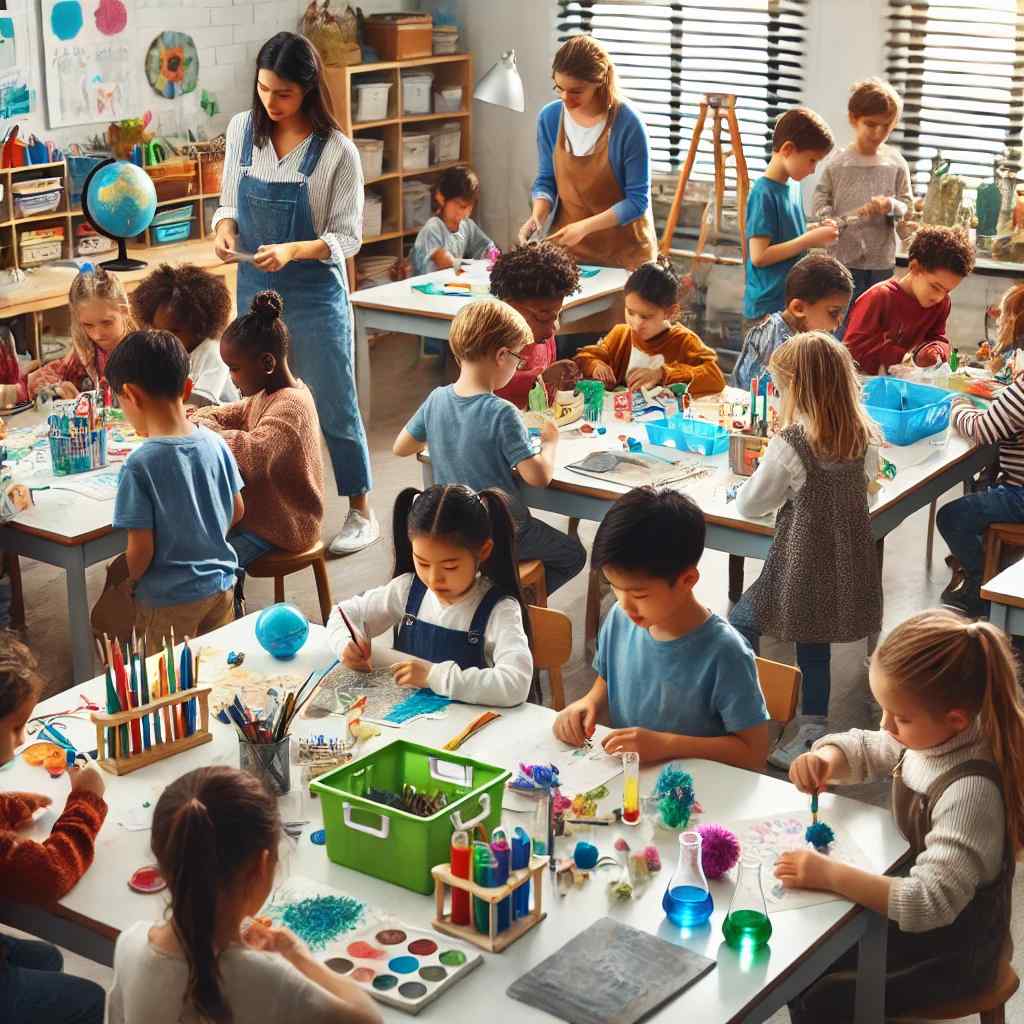
Our model breaks away from the rigid structure of traditional classrooms. Instead, we offer flexible learning environments that include:
We understand that effective education goes beyond academics. Our learner-centered model includes comprehensive support systems to nurture the whole child:
Research and pilot programs have shown that our learner-centered approach yields significant benefits:
At the Center for Inspired Learning, we are committed to transforming education to meet the needs of every child. Join us in making this vision a reality, and help us create an educational system that truly inspires and prepares our future generations.
Tailored education that meets each student's unique needs, interests, and strengths.
Access to counselors and mental health programs to ensure emotional well-being.
Dynamic classrooms designed for collaboration, technology integration, and real-world learning.
Curriculum that includes essential life skills like financial literacy, critical thinking, and leadership.
Encouragement and support for parents and guardians to actively participate in their child's education.
Research-backed methods that have demonstrated improved test scores, higher graduation rates, and better overall student outcomes.
“Demo Testimonials”
“Demo Testimonials”
Start Small ○ Pilot Program ○ Integration
Lorem ipsum dolor sit amet, consectetur adipiscing elit. Morbi volutpat justo sed efficitur cursus. Mauris fringilla quam vitae lacinia viverra. Mauris eros dolor, pellentesque sed luctus dapibus, lobortis a orci.
Cras at nisl erat. Nullam malesuada urna turpis. Etiam ac eros egestas, condimentum mi feugiat, vulputate sapien. Nullam in eleifend neque.
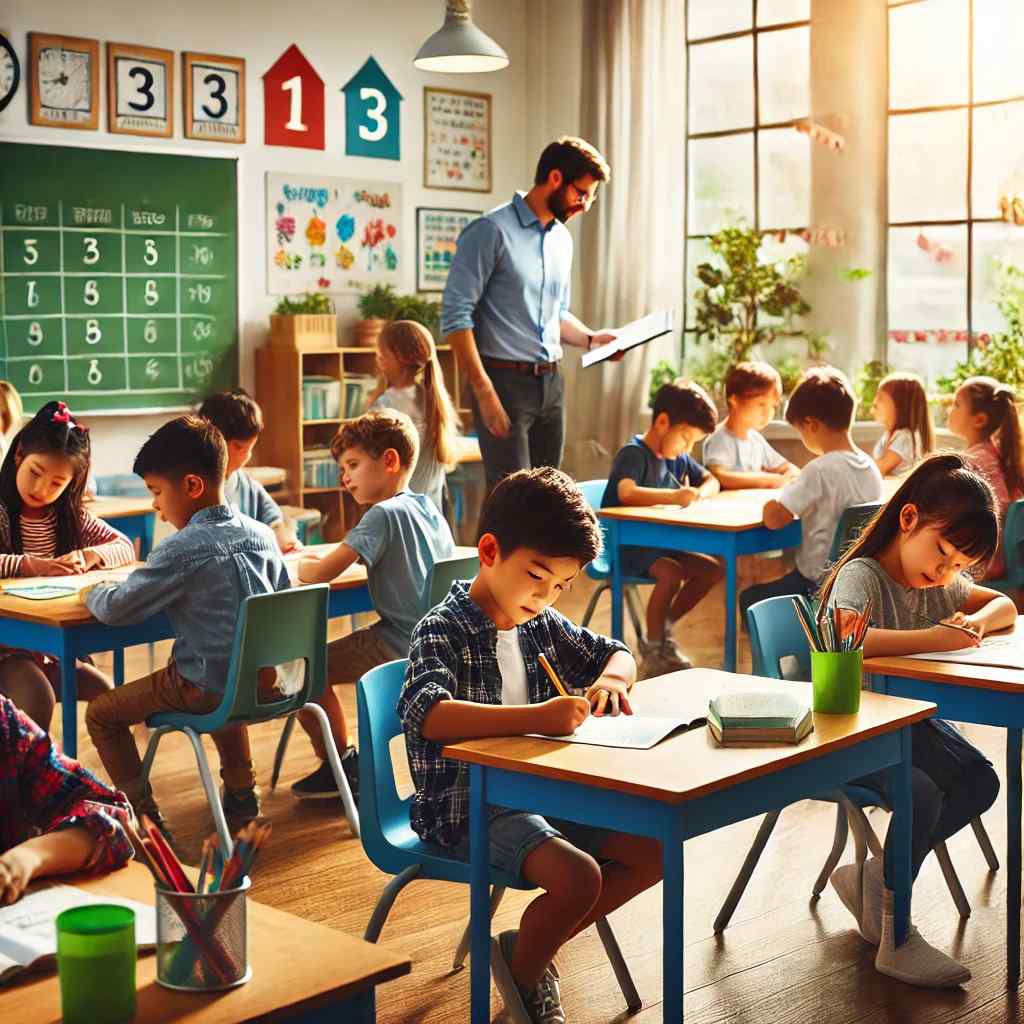
The century-old structure of sorting children by age, randomly placing them in groups of 20 to 30, then teaching them the SAME material, at the SAME time, at the SAME pace, in the SAME way, by the SAME teacher. Children are seen as passive recipients of information and knowledge and rarely, if ever, take ownership of their learning. Students move between classrooms during the day, move “up” through grade levels over the years, and eventually leave school for the workforce, likely to never step foot again in the place where they spent so much of their childhood. Assessments in this rigid system are done primarily via test-taking. The teacher is at the center of the learning process.
Synonyms:
The impetus for learning comes from a child’s innate curiosity. This structure gives students control over the content of lessons and the learning method and promotes autonomy and active learning. The learner is at the center of the learning process. The teacher is seen as a facilitator of the learning process rather than “the sage on the stage.”
Synonyms:
A learner-centered education model developed by the Center for Inspired Learning that is designed to work in US public elementary schools using existing school infrastructure, budgets, and staffing. Its components include project and activity-based learning (PABL), peer mentoring, enhanced learning through technology, student choice, parental involvement, community engagement, and other mechanisms to support and encourage children to become lifelong curious learners. Besides traditional elementary school curriculum, ILM may include an emphasis on self-care, financial literacy, media and digital literacy, communication skills, conflict resolution, global citizenship, the arts, and learning at least one foreign language.